 Dubai, United Arab Emirates

Air conditioners in the UAE often operate for extended periods, especially during the summer. Regular care helps maintain airflow, supports reliable operation and makes it easier to identify potential problems before they become more serious.
Whether you use an O General split AC in a bedroom or a ducted system in a larger property, a consistent maintenance routine can help keep the equipment in suitable operating condition.
This guide provides an O General AC maintenance checklist for UAE homes and businesses. It covers user-accessible filter care, airflow, thermostat settings, drainage warning signs and the checks that should be left to a qualified technician.
Why Is Regular O General AC Maintenance Important?
Air conditioners contain filters, fans, heat exchangers, drainage components and electrical parts that work together to provide cooling. Dust accumulation, restricted airflow or a developing technical fault can affect performance.
Regular care can help you:
Keep user-accessible filters clean.
Identify airflow restrictions.
Notice unusual sounds or changes in cooling.
Spot visible water leaks or warning indicators.
Recognise when professional inspection may be necessary.
Follow the manufacturer’s recommended care instructions.
Routine cleaning cannot prevent every fault, and it does not replace professional servicing where required. The correct maintenance schedule depends on the exact O General AC model, its operating environment and how frequently it is used.
O General AC Maintenance Checklist
Use this checklist as a general guide. Always follow the operating manual supplied with your particular unit.
1. Inspect and Clean the Air Filters
Air filters capture airborne dust and particles before air passes through the indoor unit. Over time, accumulated dust can restrict airflow.
What to check:
Whether the filters appear visibly dusty.
Whether airflow has weakened compared with normal operation.
Whether the manual recommends cleaning or replacement.
Whether the filters are correctly fitted after cleaning.
What to do: Switch off the unit and follow the manufacturer’s instructions for accessing and cleaning user-serviceable filters. Use only the cleaning method specified for your filter type, and ensure the filters are completely dry before reinstalling them.
Homes near dusty roads, construction areas or other sources of airborne particles may need more frequent filter checks.
Do not remove internal components or attempt to clean inaccessible parts of the unit yourself.
2. Check Indoor Airflow
Air must move freely through the indoor unit for the system to operate as intended.
Check that curtains, furniture and other objects are not blocking the air inlet or outlet. Notice whether airflow feels unusually weak or differs significantly from its normal pattern.
If airflow remains weak after the accessible filters have been checked, the cause may involve internal dirt, a fan issue or another technical fault. Arrange a qualified inspection rather than dismantling the unit.
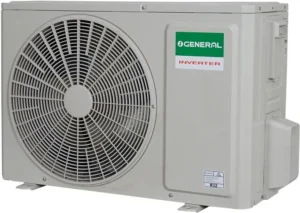
3. Keep the Outdoor Unit Clear
For split and other systems with an outdoor unit, unobstructed airflow is important for heat exchange.
From a safe, accessible position, look for obvious obstructions such as accumulated leaves, rubbish or objects placed too close to the unit.
Keep the surrounding area clear in accordance with the manufacturer’s installation requirements. Do not climb onto an unsafe roof, remove protective covers or reach into the equipment.
If the outdoor unit appears damaged, makes unusual noises or shows signs of abnormal operation, contact a qualified technician.
4. Check the Remote Control and Temperature Settings
Incorrect operating settings can sometimes be mistaken for a maintenance problem.
Confirm that the unit is set to the intended mode, such as Cool when active cooling is required. Check that the target temperature is appropriate and that a timer has not changed the expected operating schedule.
If the remote display is not working, inspect the batteries according to the manufacturer’s instructions.
Using sensible temperature settings and keeping doors and windows closed while cooling can help manage the cooling load, particularly during hot UAE weather.
5. Look for Water Leaks
Some air conditioners remove moisture from indoor air and discharge condensate through a drainage system. Water dripping from the indoor unit into the room may indicate a drainage issue, icing or another problem.
Periodically check for:
Water stains around the indoor unit.
Unexpected dripping.
Damp patches near the equipment.
Signs of recurring moisture around the drain outlet.
Do not dismantle the drainage system or electrical components to investigate a leak. If water is near electrical equipment, keep clear and switch off the system only if it is safe to do so.
Arrange a qualified inspection if leakage continues.
6. Pay Attention to Cooling Performance
Notice whether your O General AC takes longer than usual to cool the room or struggles to maintain the selected temperature.
Cooling performance can be affected by dirty filters, blocked airflow, high outdoor temperatures, direct sunlight, poor insulation or a technical fault.
Before assuming the unit needs repair, check the operating mode, accessible filters and obvious airflow restrictions.
If the issue persists, professional diagnosis can help identify the actual cause. Poor cooling alone does not prove that the system has low refrigerant or a defective compressor.
7. Listen for Unusual Sounds
Become familiar with the normal sounds of your air conditioner. Changes such as persistent rattling, grinding, buzzing or unusually loud operation may indicate an issue that requires attention.
Do not open the equipment to investigate internal noises. If the sound is sudden, severe or accompanied by a burning smell or other warning signs, stop using the unit when safe and follow the manufacturer’s safety instructions.
8. Check for Error Indicators
Some O General AC models display error codes or indicator patterns when the system detects an abnormal condition.
If an error appears, record the code or pattern and consult the documentation for the exact model. Different models may use different diagnostic systems.
Do not assume that an unfamiliar code has the same meaning across all O General units. Seek qualified assistance when the manual indicates that professional inspection is needed.
Seasonal O General AC Maintenance in the UAE
The UAE’s hot weather, dust and extended cooling seasons make it useful to review your AC’s condition regularly. However, there is no single maintenance schedule that suits every property or model.
The following table offers a practical routine for user-accessible checks.
| When | Suggested check |
|---|---|
| Regularly during heavy use | Notice changes in cooling, airflow, sounds and visible warning indicators |
| At intervals specified in the manual | Inspect and clean user-accessible filters |
| Periodically | Check that indoor outlets and accessible outdoor surroundings are unobstructed |
| Before periods of intensive use | Review the unit’s condition and follow any manufacturer-recommended inspection schedule |
| Whenever a problem appears | Follow safe troubleshooting guidance and arrange professional assessment when needed |
The frequency of filter cleaning and professional inspection should follow the manufacturer’s instructions and account for dust levels, operating hours and the type of installation.
Does Dust in the UAE Affect Air Conditioner Maintenance?
Dust can accumulate on filters and other surfaces, particularly in environments exposed to construction activity, road dust or airborne particles.
Restricted airflow can affect cooling performance, which is why filter inspection is an important part of routine care.
However, cleaning an accessible filter does not remove dirt from every internal component. If the indoor coil, fan or other inaccessible areas require cleaning, use a qualified technician who follows the manufacturer’s service procedures.
Avoid spraying water or cleaning chemicals into the unit unless the manufacturer specifically instructs you to do so.
Maintenance Considerations for Different O General AC Types
Different air-conditioning systems have different layouts and maintenance requirements.
O General Split AC
Wall-mounted split AC systems commonly have user-accessible indoor filters. Follow the model’s instructions for cleaning them and keeping the air inlet and outlet clear.
Internal coil cleaning, electrical inspection and refrigerant-system work should be handled by appropriately qualified personnel when required.
O General Ducted AC
Ducted systems distribute conditioned air through ductwork. Maintenance considerations may include accessible filters, return-air paths and the condition of the air distribution system.
Filter arrangements differ between installations. Do not assume that every ducted unit uses the same filter location or cleaning procedure.
O General Cassette AC
Cassette systems are often installed in ceilings. Although some have accessible filters, reaching them may require a safe access method.
Do not climb on unstable furniture or remove ceiling panels without suitable knowledge and equipment. Follow the manual and arrange professional assistance when access is difficult or unsafe.
What Should a Qualified Technician Inspect?
Some maintenance tasks require specialised tools, training or access to internal components.
Depending on the model and condition of the system, a qualified technician may need to assess:
Internal coils and fan components.
Condensate drainage and water leakage.
Electrical connections and control components.
Refrigerant-system performance.
Abnormal sounds, vibration or repeated shutdowns.
Error codes and other diagnostic indicators.
The condition of the equipment under its intended operating conditions.
The required checks depend on the problem, the manufacturer’s instructions and the system’s design. Not every AC requires every inspection at every visit.
Never attempt to handle refrigerant, work on live electrical components or bypass safety devices yourself.
Common O General AC Maintenance Mistakes to Avoid
Ignoring dirty filters
Allowing accessible filters to become heavily clogged can restrict airflow. Check them at the intervals recommended for your model and environment.
Using unsuitable cleaning products
Strong chemicals or incorrect cleaning methods may damage filters or equipment surfaces. Follow the manufacturer’s guidance.
Ignoring water leakage
Recurring water leaks can cause damage to nearby walls, ceilings or furnishings. Investigate safely and arrange a qualified inspection when needed.
Continuing to operate a faulty unit
Unusual noises, burning smells, recurring icing or persistent cooling problems should not be ignored. Follow the manufacturer’s safety instructions and seek professional assistance.
Assuming every cooling problem needs refrigerant
Poor cooling has several possible causes. A qualified diagnosis should establish whether a refrigerant issue exists before any work is performed.
Skipping the operating manual
Filter access, cleaning instructions and maintenance requirements vary by model. Use the documentation for the exact unit rather than following generic instructions that may not apply.
How to Keep Your O General AC Operating Efficiently
In addition to routine maintenance, everyday habits can help manage cooling demand.
Choose an appropriate temperature rather than an unnecessarily low setting.
Keep doors and windows closed while cooling.
Use curtains or shading to reduce direct sunlight where practical.
Avoid blocking the indoor air outlet.
Select an AC capacity suited to the room’s cooling load.
Follow the model’s instructions for filters and routine care.
Investigate changes in performance rather than repeatedly adjusting the controls.
These measures can support sensible operation, but they do not guarantee a specific reduction in electricity consumption. Actual energy use depends on the model, weather, building conditions and operating schedule.
Frequently Asked Questions
How often should I clean my O General AC filter?
Follow the cleaning interval specified in the manual for your model. Dust levels and operating hours can affect how frequently the filter needs attention, so inspect it regularly during heavy use.
Does UAE weather mean an O General AC needs more maintenance?
Extended cooling hours, high outdoor temperatures and dusty conditions can make regular checks particularly useful. The correct maintenance schedule still depends on the model, installation and manufacturer’s recommendations.
Can I clean my O General AC myself?
You can generally perform user-approved tasks, such as cleaning accessible filters, when the manual provides instructions. Internal cleaning, electrical work and refrigerant-system work should be left to appropriately qualified personnel when required.
Why is my O General AC cooling less effectively?
Possible causes include restricted airflow, unsuitable settings, high heat loads or a technical fault. Check basic settings and accessible filters first. If cooling remains poor, arrange a qualified inspection.
Should I switch off my AC before cleaning the filter?
Follow the manufacturer’s instructions and switch off the unit as directed before accessing user-serviceable filters. Do not access electrical components or internal parts.
When should I contact a technician?
Seek qualified assistance for persistent cooling problems, repeated icing, water leaks, unusual mechanical sounds, unresolved error codes or suspected electrical or refrigerant-system faults.
Where can I find O General AC models in UAE?
Visit the O General AC homepage to explore available products and review their specifications before purchasing.
Conclusion
A practical O General AC maintenance checklist starts with clean accessible filters, unobstructed airflow, sensible operating settings and attention to unusual sounds, leaks or warning indicators.
For UAE properties, regular checks are especially useful during periods of intensive cooling. Follow the instructions for your exact model and leave internal servicing, electrical work and refrigerant-related tasks to qualified professionals.
If you are considering an air conditioner for your property, explore the available O General AC options and compare their specifications, capacity and warranty terms before making a decision.